Source Floral Building Blocks Toy for Classroom, Home, and Retail
Explore 30 options for floral building blocks toy sets designed for educational play and creative development. Compare specifications from manufacturers in Guangdong, China, including ABS plastic materials and various age ranges to find the right fit for your inventory needs.
Key considerations
Products List


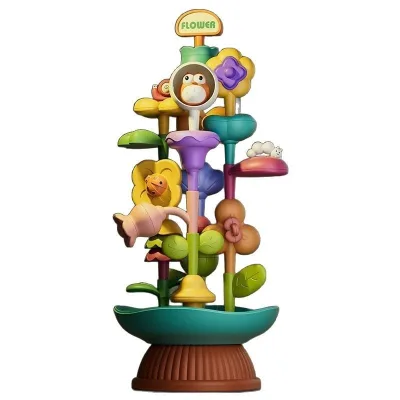


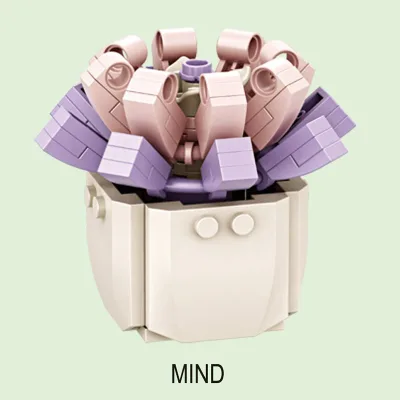
Comprehensive Sourcing Guide
Floral Building Blocks Toy Sourcing Guide
Buyers evaluating floral building blocks must first distinguish between generic construction sets and specialized thematic kits designed for botanical aesthetics. The observed market data indicates a strong presence of ABS plastic variants, which offer the necessary rigidity for intricate flower shapes while maintaining durability for repeated assembly. Procurement teams should prioritize suppliers who explicitly list "DIY Toy" and "Educational Toy" styles, as these categories often encompass the detailed floral designs required for advanced play scenarios.
When analyzing product listings, it is critical to verify that the "floral" designation refers to actual brick configurations rather than generic packaging claims. The available data shows specific model numbers like 103b-5 and CPS291960, suggesting that floral themes may be part of broader educational or garden toy lines. Buyers should request visual confirmation of the brick geometry to ensure the set includes specialized curved or tapered pieces that mimic petals and stems, rather than standard rectangular blocks.
Product Scope and Observed Listing Signals
The current catalog signals a diverse range of age appropriateness, spanning from early childhood to teenage engagement, which dictates the complexity of the floral designs available. Listings frequently cite age ranges of 3-8 years and 8-13 years, implying that floral sets for younger children likely feature larger, easier-to-connect pieces, while those for older demographics may include finer details and more complex structural logic. This segmentation requires buyers to align their target demographic with the specific model specifications provided by the manufacturer.
Commercial signals also reveal significant variation in packaging and unit definitions, which impacts logistics planning and shelf presentation. Some entries specify a "Color Box" with a single gross weight of 1.000 Kg, while others list bulk quantities like 24 pieces per set or 24 units per carton. Procurement professionals must clarify whether the "floral" aspect is a single item or a bulk component, as the "Selling Units" field indicates some products are sold as single items while others are packaged for wholesale distribution.
Technical Specifications to Verify
Material composition is the primary technical differentiator for floral building blocks, with ABS and PE plastics being the most commonly observed types in the supply chain. ABS is generally preferred for its high impact resistance and ability to hold fine details, which is essential for creating realistic flower shapes without breaking during assembly. Buyers should explicitly request material test reports to confirm the plastic type, as some listings mention mixed materials like PE and ABS, which may affect the tactile feel and structural integrity of the final floral model.
Dimensional consistency is another critical specification, particularly for sets claiming to be compatible with major global brands. The observed data includes standard package sizes such as 40x30x6 cm and 24x14x4.5 cm, but these often refer to the outer carton rather than the individual brick dimensions. To ensure compatibility and ease of storage, buyers must verify the exact stud diameter and height of the bricks, as floral sets often require precise alignment to maintain the stability of delicate petal structures.
Compliance and Safety Documentation
Safety compliance is non-negotiable for children's toys, and the observed listings frequently reference major international standards such as ASTM F963, EN71, and CE. These certifications are essential for floral building blocks, which often contain small parts that pose choking hazards if not properly sized for the intended age group. Buyers should demand valid, up-to-date test reports from accredited laboratories like SGS, TUV, or BV to verify that the specific floral designs meet the rigorous safety requirements of the target export market.
Beyond physical safety, chemical compliance is a vital consideration, especially for toys intended for younger children who may put pieces in their mouths. The data indicates that some suppliers claim compliance with EN71-3, which specifically addresses the migration of certain elements in plastic materials. Procurement teams must ensure that the floral colorants used in the ABS or PE plastic do not exceed permissible limits for heavy metals, as the vibrant colors often associated with flower themes can sometimes involve higher concentrations of pigments.
Cost Drivers and Commercial Terms
Pricing for floral building blocks is heavily influenced by the complexity of the mold designs required to create specialized petal and stem shapes. Unlike standard bricks, floral sets often require more intricate tooling and higher precision manufacturing, which can drive up the unit cost. Buyers should expect a wider price range, observed between $0.90 and $57.85, depending on the number of pieces, the sophistication of the floral design, and the inclusion of additional features like remote controls or sound modules.
Minimum Order Quantities (MOQ) and packaging configurations are significant commercial variables that affect the total landed cost. The market data shows MOQs ranging from 100 pieces to 2000 pieces, with some suppliers offering single-item sales while others require bulk carton purchases. Buyers must negotiate terms that balance the MOQ with their inventory needs, considering that floral sets with unique molds may have longer lead times and higher setup costs if the order volume does not meet the supplier's threshold.
Supplier Qualification and Quality Control
Supplier qualification should focus on manufacturers with a proven track record in producing educational and DIY toys, as indicated by the "Zuan Ma" and "CPS" brand names in the data. These suppliers often emphasize OEM and ODM capabilities, allowing buyers to customize floral themes or packaging to suit specific brand identities. It is advisable to audit the supplier's production lines to ensure they have the specific molding equipment required for the complex geometries of floral building blocks.
Quality control protocols must be rigorous, particularly for floral sets where aesthetic consistency is as important as structural integrity. Buyers should implement a pre-shipment inspection that checks for color consistency, surface finish, and the accuracy of the floral shapes. Given that some listings mention "Garden Toy" and "Pretend Educational Toys," the inspection should also verify that the pieces fit together smoothly and that the final assembled model matches the visual expectations set by the product samples.
Long-Term Procurement Checks
Sustaining a successful supply chain for floral building blocks requires regular re-verification of material safety and design compatibility. As regulations evolve, particularly regarding chemical content and small parts, buyers must ensure their suppliers remain compliant with the latest versions of ASTM and EN standards. Establishing a schedule for annual re-testing of materials and designs will help mitigate the risk of non-compliance and protect the brand reputation in the long term.
Market trends for educational toys are shifting towards more interactive and thematic experiences, which may require periodic updates to the floral product line. Buyers should maintain open communication with suppliers regarding new mold developments or design innovations that could enhance the play value of the floral sets. By staying informed about these trends and maintaining a flexible procurement strategy, buyers can ensure their product offerings remain competitive and aligned with the evolving preferences of children and educators.
FAQs
What materials are used in these building block toys?
The toys are primarily made from durable ABS plastic, ensuring safety and longevity for children. Some variations may also incorporate PE plastic components. These materials are selected for their non-toxic properties and ability to withstand rough play, making them ideal for educational and recreational use by kids aged three and above.
Can I customize the building blocks with my own brand?
Yes, customization is available for these building block toys. Buyers can request OEM or ODM services to tailor the product to their specific branding needs. This flexibility allows businesses to create unique educational toys that align with their market strategy, ensuring a distinct product identity while maintaining high-quality manufacturing standards.
What certifications do these plastic toys hold?
These toys hold several key safety certifications, including ASTM F963, EN71, CE, and CPSC. These standards ensure the products meet rigorous international safety requirements for children's toys. The certifications cover material safety and structural integrity, providing assurance to buyers and parents that the toys are safe for use by children in various age groups.
What is the minimum order quantity for these toys?
The standard minimum order quantity is 100 pieces per set. However, observed listings show a range from 1 to 2000 units, depending on the specific supplier and product configuration. Buyers should confirm the exact MOQ with the manufacturer, as it may vary based on customization requirements, packaging options, and current production capacity.
Where are these building block toys manufactured?
These toys are manufactured in Guangdong, China. This region is known for its robust manufacturing infrastructure and expertise in producing high-quality plastic toys. The location facilitates efficient logistics and supply chain management, allowing for reliable production schedules and timely delivery of orders to international buyers seeking educational and recreational building block products.
What age groups are these toys suitable for?
These building block toys are suitable for a wide range of ages, including children aged three and above, as well as older groups up to 14 years and up. The design supports educational development for younger children while offering complex building challenges for older users. This versatility makes them appropriate for various educational settings and home play environments.